
'%3e%3cpath%20fill-rule='evenodd'%20clip-rule='evenodd'%20d='M12%205.54358C14.7301%205.54358%2017.0344%207.36702%2017.7613%209.86248C19.6535%2010.5747%2021%2012.4019%2021%2014.5436C21%2017.305%2018.7614%2019.5436%2016%2019.5436H7C4.79086%2019.5436%203%2017.7527%203%2015.5436C3%2013.6789%204.27588%2012.1123%206.00225%2011.669L6%2011.5436C6%208.22987%208.68629%205.54358%2012%205.54358Z'%20stroke='%23333333'%20stroke-opacity='0.9'%20style='stroke:%23333333;stroke-opacity:0.9;'%20stroke-width='1.5'%20stroke-linejoin='round'/%3e%3cpath%20d='M11.75%209.54358C12.1642%209.54358%2012.5%209.87937%2012.5%2010.2936V14.0436H14.25C14.6642%2014.0436%2015%2014.3794%2015%2014.7936C15%2015.2078%2014.6642%2015.5436%2014.25%2015.5436H11.75C11.3358%2015.5436%2011%2015.2078%2011%2014.7936V10.2936C11%209.87937%2011.3358%209.54358%2011.75%209.54358Z'%20fill='%23333333'%20fill-opacity='0.9'%20style='fill:%23333333;fill-opacity:0.9;'/%3e%3c/g%3e%3cdefs%3e%3cclipPath%20id='clip0_4593_22613'%3e%3crect%20width='24'%20height='24'%20fill='%23333333'%20style='fill:%23333333;fill-opacity:1;'%20transform='translate(0%200.543579)'/%3e%3c/clipPath%3e%3c/defs%3e%3c/svg%3e)

搜索 「詹姆斯·维利尔斯」,找到 8 部影片
更多精彩内容,请安装客户端 >下载APP查看更多 > 电影
电影女煞星续集(Some Girls Do)
理查德·约翰逊 / 达莉娅·拉维 / 贝芭·隆查尔 / 詹姆斯·维利尔斯 / 瓦妮莎·霍华德 / 莫里斯·德纳姆 / 罗伯特·莫利 / 瑟顿·婼玛 / 阿德里安娜·波斯塔 / Florence Desmond / 罗尼·斯蒂芬斯 / 弗吉尼亚·诺思 / 尼古拉斯·菲普斯 / 于特·斯滕斯高
◎译 名 女煞星续集 ◎片 名 Some Girls Do ◎年 代 1969 ◎国 家 英国 ◎类 别 动作/冒险/喜剧 ◎语 言 英语 ◎字 幕 N/A ◎IMDB评分 5.7/10 (129 votes) ◎IMDB链接 http://www.imdb.com/title/tt0065009 ◎文件格式 XviD + MP3 ◎视频尺寸 512 x 384 ◎文件大小 1CD 50 x 15MB ◎片 长 88 Mins ◎导 演 拉尔夫·托马斯 Ralph Thomas ◎主 演 Richard Johnson ....Hugh Drummond 达利娅·拉维 Daliah Lavi ....Baroness Helga Hagen Beba Loncar ....Pandora James Villiers ....Carl Petersen Vanessa Howard ....Robot Number Seven Maurice Denham ....Mr. Mortimer 罗伯特·莫利 Robert Morley ....Miss Mary 西德妮·罗马 Sydne Rome ....Flicky Adrienne Posta ....Angela, Drummond's daily Florence Desmond ....Lady Manderley Ronnie Stevens ....Peregrine Carruthers Virginia North ....Robot Number Nine Nicholas Phipps ....Lord Dunnberry, Air Minister George Belbin ....Maj. Newman Yutte Stensgaard ....Robot Number One Richard Hurndall ....President of Aircraft Company Marga Roche ....Birgit Douglas Sheldon ....Kruger 乔安娜·林莉 Joanna Lumley ....Bit Part (uncredited) ◎简 介 A series of unexplainable accidents befall the people and companies responsible for developing the world's first supersonic airliner (SST1). A British agent is sent to investigate and with the help of another agent uncovers a plot masterminded by Carl Petersen who stands to gain eight million pounds if the aircraft is not ready by a certain date. The evil Petersen has developed a number of "robots" (actually rather beauti***irls with "electronic brains") to help him sabotage the SST1 project by means of "infrasound" (extreme low frequency sound waves) which can be directed at people or objects with devastating results.
 电影
电影飞行器中的好小伙(Those Magnificent Men in Their Flying Machines or How I Flew from London to Paris in 25 hours 11 minutes)
斯图尔特·惠特曼 / 莎拉·米尔斯 / 詹姆斯·福克斯 / 阿尔贝托·索尔迪 / 罗伯特·莫利 / 杰特·弗罗比 / 让-皮埃尔·卡塞尔 / 伊琳娜·德米克 / 埃里克·赛克斯 / 雷德·斯克尔顿 / 特里-托马斯 / 班尼·希尔 / 石原裕次郎 / 弗劳拉·罗博森
1910年,“飞行器”是那个时代风行一时的事物。然而正因为它刚刚诞生,一切还处于起步阶段。英国每日邮报主编劳德·罗恩斯(罗伯特·莫利RobertMorley饰)策划组织了一场从伦敦飞往巴黎的竞赛。而这次竞赛的目的,就是为了彰显英国种族的优越。如果一切都按照预期发展,不出所料的,他的女婿理查德·梅斯(詹姆斯·福克斯JamesFox饰)将赢得比赛。竞赛的新闻一经发出,就得到了来自世界各地飞行器爱好者的踊跃报名。然而这场本该是冒险者的比赛,却成为了一场争夺帕特里夏·罗恩斯利(莎拉·米尔斯SarahMiles饰)感情的竞赛。 本片荣获1966年第38届奥斯卡金像奖最佳原创剧本提名,1966年第23届金球奖电影类-音乐喜剧类最佳影片提名及音乐喜剧类最佳男主角提名。影片描写了不同国家的飞行员的个性:死板的德国人、阴险的法国人、傲慢的意大利人还有倒霉的日本人,而英国人和美国人则被刻画成互相帮助的好人。片中很多经典的桥段,被以后很多的喜剧片所争相效仿,向本片致敬。©豆瓣
 电影
电影冷血惊魂(Repulsion)
凯瑟琳·德纳芙 / 伊恩·亨德里 / 约翰·弗拉瑟 / 伊冯·弗奴克丝 / 帕特里克·怀马克 / 勒妮·休斯敦 / 瓦莱丽·泰勒 / 詹姆斯·维利尔斯 / Helen Fraser / 迈克·普拉特 / 华莱士·博斯科 / 罗曼·波兰斯基
从布鲁塞尔来到伦敦的卡萝尔(凯瑟琳·德纳芙 Catherine Deneuve 饰)是当地一家美容沙龙的员工。在这个光怪陆离的大都会,青春美丽的卡萝尔竭力压抑自己心中躁动的欲望,由此她表现出些许的焦虑和神经质。虽然有年轻帅气的小伙子柯林(John Fraser 饰)锲而不舍地追求,但卡萝尔更愿意和姐姐海伦(Yvonne Furneaux 饰)厮守在一起。相较于容易紧张的妹妹,海伦似乎颇为适应这个社会,她与一名有妇之夫相恋,两人相约利用假期去意大利旅行。然而,海伦的离开却让卡萝尔的精神接近崩溃边缘,无可挽回的悲剧由此上演……<br>本片荣获1965年柏林国际电影节银熊奖评委会特别奖和国际影评人费比西奖。
 电影
电影007之最高机密
罗杰·摩尔 / 卡洛尔·布盖 / 托波尔 / 林恩-霍利·约翰逊 / 朱利安·格洛弗 / 卡桑德拉·哈里斯 / 吉尔·班尼特 / 迈克尔·戈特哈德 / 约翰·威曼 / 杰克·海德利 / 露易丝·麦斯威尔 / 戴斯蒙德·莱维林 / 格佛雷·肯 / 沃尔特·戈塔尔
英国军方一艘绝密的间谍船在希腊发生了爆炸,船上有一个威力无比的发射机(据说它可以使整个北极星飞弹系统全部报废)沉入了海底。这下,不仅英国军方,还有世界各地的间谍、恐怖分子都开始蠢蠢欲动。于是,007邦德(罗杰•摩尔 Roger Moore 饰)出动了,他的任务就是尽快毁掉这台发射机。同一时候,哈维洛克先生在寻找这项装置时不幸被人刺杀身亡,他的女儿美琳娜(卡洛尔•布盖 Carole Bouquet 饰)试图千方百计想帮父亲报仇。邦德说服了美琳娜协助他潜入海底从沉船里取出了发射机。不幸的是,两人浮出水面被敌人抓住了……
 电影
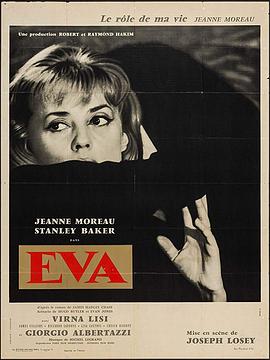
电影伊娃
让娜·莫罗 / 斯坦利·贝克 / 维尔娜·丽丝 / 乔治·阿尔贝塔齐 / 詹姆斯·维利尔斯 / 里卡尔多·加罗内 / 丽莎·佳丝托妮 / 切柯·里索内 / 恩佐·菲耶尔蒙特
琼斯(斯坦利·贝克 Stanley Baker 饰)是一名年轻而又前途无量的作家,他的女友是名声大噪的女明星弗朗西斯卡(维尔娜·丽丝 Virna Lisi 饰),两人相爱多年,刚刚决定订婚携手步入婚姻的殿堂。某日,琼斯回到了自己远在托尔塞洛的房子里,在那里,他意外的发现了一位楚楚可怜的金发美人艾娃(让娜·莫罗 Jeanne Moreau 饰)。<br>艾娃的出现让琼斯的内心产生了极大的震撼,他感到自己压抑已久的情欲正在蠢蠢欲动,但与此同时,他对于弗朗西斯卡的忠诚带给了弗朗西斯卡心智非常严峻的考验,令他备受折磨。在艾娃不断的挑逗和诱惑之中,琼斯是否能够坚守住自己的底线呢?
 电影
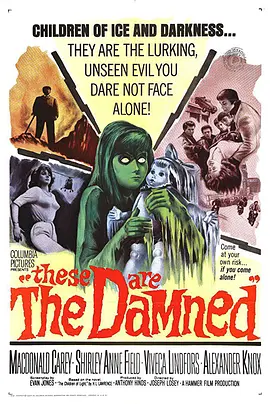
电影博命
麦克唐纳·凯瑞 / 雪莉·安妮·菲尔德 / 韦薇卡·琳德佛斯 / 亚历山大·诺克斯 / 奥列佛·里德 / 沃尔特·戈塔尔 / 詹姆斯·维利尔斯 / 汤姆·肯平斯基 / 肯尼思·科普 / 布莱恩·奥尔顿 / 芭芭拉·埃弗里斯特 / 艾伦·麦克莱兰 / 詹姆斯·马克斯韦尔 / 尼古拉斯·克莱
Legal and illegal criminality. An American tourist with a boat is robbed by a gang of teenager boys, assisted by the leader's sister. But soon afterward she jumps to the victim's boat to escape her brother's incestuous jealousy. The couple fly together and is hunted by the entire gang. Both happen to enter high-classified military territory. There might be a third and atomic world war, after which no ordinary man could survive. But now and then children are born who are "naturally" radio-active and have cold blood. They might survive in the post-war world and carry on mankind. They are fetched and brought to an underground construction where they are educated by TV. They are told that they are on a space ship moving toward the earth, which they should eventually colonize. This military project seems to be a failure because of a high mortality among the children. - The military soon finds the gang...
 电影
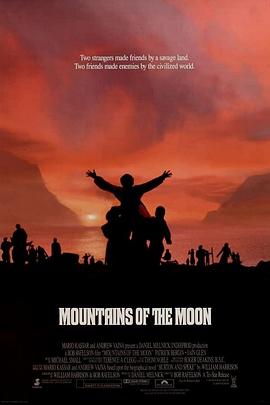
电影浩气盖山河
帕特里克·博金 / 伊恩·格雷 / 理查德·E·格兰特 / 费奥纳·肖 / 约翰·萨维登特 / 詹姆斯·维利尔斯 / 阿德里安·劳林斯 / 皮特·沃恩 / 德尔罗伊·林多 / 伯纳德·希尔 / 马修·马什 / Richard Caldicot / 克里斯托弗·富尔福德
这是一个真实的故事,十九世纪维多利亚王朝,在西方看来这是辉煌的殖民时代,人们对于地理发现非常热衷。两位英国探险家来到非洲,为的是寻找尼罗河水的源头月亮山脉,共同的目的使他们走在了一起。两人一次又一次地往非洲的内陆深地探险,途中遇到无数次的困难......
 电影
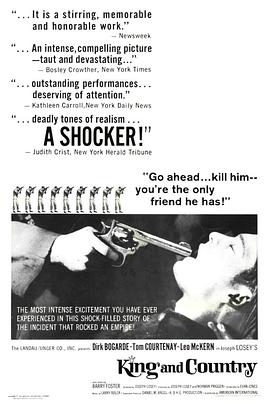
电影国王与国家
德克·博加德 / 汤姆·康特奈 / 莱奥·麦凯恩 / 巴里·福斯特 / 彼得·科普利 / 詹姆斯·维利尔斯 / 杰瑞米·斯宾塞 / Barry Justice / Vivian Matalon / 基思·巴克利 / James Hunter / Larry Taylor
The last time Britain was a major force in world cinema was in the 1960s; a documentary of a few years back on the subject was entitled 'Hollywood UK'. This was the era of the Kitchen Sink, social realism, angry young men; above all, the theatrical. And yet, ironically, the best British films of the decade were made by two Americans, Richard Lester and Joseph Losey, who largely stayed clear of the period's more typical subject matter, which, like all attempts at greater realism, now seems curiously archaic. 'King and Country', though, seems to be the Losey film that tries to belong to its era. Like 'Look Back in Anger' and 'A Taste of Honey', it is based on a play, and often seems cumbersomely theatrical. Like 'Loneliness of the long distance runner', its hero is an exploited, reluctantly transgressive working class lad played by Tom Courtenay. Like (the admittedly brilliant) 'Charge of the Light Brigade', it is a horrified, near-farcical (though humourless) look at the horrors of war, most particularly its gaping class injustices. Private Hamp is a young volunteer soldier at Pachendaele, having served three years at the front, who is court-martialled for desertion. Increasingly terrorised by the inhuman pointlessness of trench warfare, the speedy, grisly, violent deaths of his comrades and the medieval, rat-infested conditions of his trench, he claims to have emerged dazed from one gruesome attack and decided to walk home, to England. He is defended by the archetypal British officer, Captain Hargreaves, who professes disdain for the man's cowardice, but must do his duty. He attempts to spin a defence on the grounds of madness, but the upper-crust officers have heard it all before. This is a very nice, duly horrifying, liberal-handwringing, middle-class play. It panders to all the cliches of the Great War - the disgraceful working-class massacre, while the officers sup whiskey (Haig!) - figured in some charmingly obvious symbolism: Hargreaves throwing a dying cigarette in the mud; Hamp hysterically playing blind man's buff. The sets are picturesquely grim, medieval, a modern inferno, as these men lie trapped in a never-ending, subterranean labyrinth, lit by hellish fires, with rats for company and the constant sound of shells and gunfire reminding them of the outside world. The play, in a very middle-class way, is not really about the working class at all - Hamp is more of a symbol, an essence, lying in the dark, desolately playing his harmonica, a note of humanity in a score of inhumanity. He doesn't develop as a character. The play is really about Hargreaves, his realisation of the shabby inadequacy of notions like duty. He develops. This realisation sends him to drink (tastier than dying!). Like his prole subordinates, he falls in the mud, just as Hamp is said to have done; he even says to his superior 'We are all murderers'. This is all very effective, if not much of a development of RC Sherriff's creaky 'Journey's End', filmed by James Whale in 1930. Its earnestness and verbosity may seem a little stilted in the age of 'Paths of Glory' and 'Dr. Strangelove'; we may feel that 'Blackadder goes forth' is a truer representation of the Great War. But what I have described is not the film Losey has made. He is too sophisticated and canny an intellectual for that. The film opens with a lingering pan over one of those monumental War memorials you see all over Britain (and presumably Europe), as if to say Losey is going to question the received ideas of this statue, the human cost. But what he's really questioning is this play, and its woeful inadequacy to represent the manifold complexities of the War. This is Brechtian filmmaking at its most subtle. We are constantly made aware of the artifice of the film, the theatrical - the stilted dialogue is spoken with deliberate stiffness; theatrical rituals are emphasised (the initial interrogation; the court scene, where actors literally tread the boards, enunciating the predictable speeches; the mirror-play put on by the hysterical soldiers and the rats; the religious ceremony; the horrible farce of the execution). Proscenium arches are made prominent, audiences observe events. This is a play that would seek to contain, humanise, explain the Great War. This is a hopeless task, as Losey's provisional apparatus explains, 'real' photographs of harrowing detritus fading from the screen as if even these are not enough to convey the War, never mind a well-made, bourgeois play. Losey's vision may be apocalyptic - it questions the possibility of representation at all - the various tags of poetry quoted make no impact on hard men men who rattled them off when young; the Shakespearean duality of 'noble' drama commented on by 'low' comedy, effects no transcendence, no greater insight. Losey's camerawork and composition repeatedly breaks our involvement with the drama, any wish we might have for manly sentimentality; in one remarkable scene an officer takes an Aubrey Beardsley book from the cameraman! This idea of the theatrical evidently mirrors the rigid class 'roles' played by the main characters (Hamp's father and grandfather were cobblers too; presumably Hargreaves' were always Sandhurst cadets). Losey also takes a sideswipe at the kitchen sink project, by using its tools - history has borne him out.